

AI chatbots giving wrong product information: causes

AI chatbots often give customers the wrong product details—showing out-of-stock items as available, quoting outdated prices, or missing new variants entirely. Most teams blame the model, but the underlying cause is almost always stale or misconfigured product data, faulty retrieval logic, or both. Fixing the chatbot’s answers starts with isolating whether the issue is catalog […]
Rag over product catalog: accurate variant and attribute
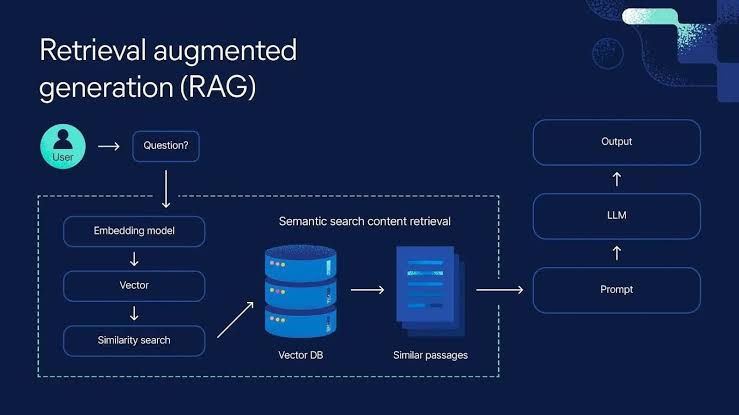
Most e-commerce teams hit a wall when search or product discovery breaks down on variants and attributes — especially once a catalog grows past a few thousand SKUs. Flat keyword search, even with filters, fails to resolve a query like “blue waterproof men’s jacket, size L” into the right variant, and it rarely surfaces the […]
llms txt for ecommerce: where ai-generated copy is worth it

Most e-commerce teams overestimate how much LLMs can automate in product catalog copy and underestimate the manual checks required to avoid errors, repetition, and off-brand text. Plugging GPT-4 or similar models into your workflow isn’t a direct replacement for human writers, but it can accelerate content creation for large catalogs if you design the process […]
ai generated content seo risk for ecommerce: real ranking

AI-generated product descriptions and category pages now flood e-commerce sites, but search engines penalize thin, duplicated, or low-value content the same way they always have—regardless of whether a human or a model wrote it. Many teams assume algorithmic “AI detection” is the primary risk. In reality, Google’s longstanding filters for quality, originality, and user intent […]
Tracking traffic from ChatGPT and AI search

Most analytics setups miss or misattribute traffic from ChatGPT and AI search tools, often lumping it under “Direct” or “Referral” without context. This blindsides teams trying to measure impact from AI-driven discovery or optimize for these new channels. Even advanced UTM tagging and referrer-based logic break down when AI interfaces strip or rewrite links, or […]
Agent IA service client e-commerce : critères RGPD

Déployer un agent IA en service client e-commerce sans cadrer ses limites techniques expose à des réponses inexactes, une escalade inutile vers des humains ou la collecte de données non conforme. Beaucoup d’équipes surestiment le niveau d’automatisation possible dès l’intégration, ou sous-estiment les exigences linguistiques du marché français, notamment sur la gestion des registres et […]
Générer des fiches produits avec l’IA SEO

Publier des fiches produits générées automatiquement sans contrôle mène souvent à du contenu dupliqué, à des descriptions génériques, ou à des erreurs qui plombent le SEO et exposent à des sanctions CNIL. Beaucoup pensent qu’il suffit de brancher une API d’IA pour obtenir des pages prêtes à ranquer : c’est faux. Sans prompts adaptés, vérification […]
AI product tagging and attribute enrichment

Most e-commerce teams rely on vendor feeds, manual tagging, or legacy rules engines for product attributes—then wonder why merchandising logic breaks, search results frustrate customers, or filters miss obvious matches. AI-powered product tagging and enrichment solve these failures at scale, but only if you understand how to evaluate, deploy, and validate the models behind them. […]
Measure AI chatbot ROI: events tied to revenue

Most AI chatbot ROI calculations fall apart because they skip the basics: tracking the right actions and tying them to concrete business outcomes. The usual approach—comparing chatbot subscription cost to a rough estimate of “conversions influenced”—misses most of the value and risk. If you don’t know exactly which chatbot interactions drive revenue, you can’t optimize […]
ai ad creative testing workflow: structure, naming

Most e-commerce teams running AI-driven creative tests generate plenty of ad variants, but the results rarely answer which variable actually moved the needle. If your naming conventions are inconsistent, your tracking is patchy, or you rely on platform default reports, you’ll never isolate the impact of a headline, image, or call-to-action. The usual assumption — […]